Four Key Trends Shaping The Housing Market in Mexico
Despite a low-growth economic environment, Mexico’s real estate market has demonstrated remarkable resilience. Throughout 2025, the sector maintained steady momentum, overcoming the financial uncertainty and cautious outlook that characterized much of the year.
This positive scenario is being driven by several structural factors, including nearshoring, the expansion of the tourism industry, and shifting buyer preferences. Below are four trends currently shaping Mexico’s housing market.
1. Rising Value of Resale Homes
Between January and October, purchases of resale homes increased by 8.7% compared to the same period in 2024, slightly outperforming the 8.4% growth recorded in new home sales.
This trend highlights a growing preference for established neighborhoods with complete infrastructure and services. It also reflects the impact of higher mortgage rates, which have pushed buyers to seek more affordable options with better value relative to location.
2. Tourism Driving Real Estate Demand
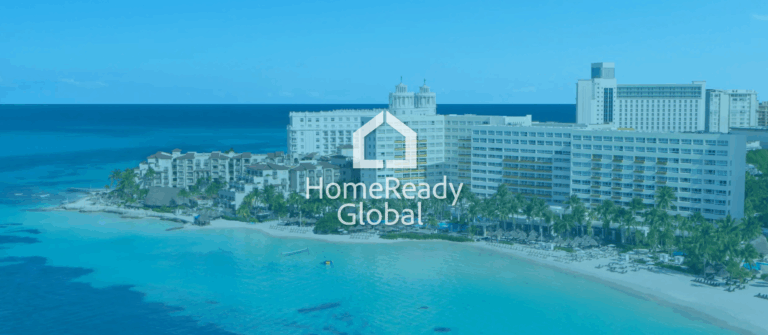
Mexico’s tourist destinations continue to strengthen their position as attractive real estate markets. Beach destinations and select Pueblos Mágicos have gained popularity for both residential use and investment purposes.
According to Mexico’s Housing Price Index from the Federal Mortgage Society (SHF), the municipalities with the highest price increases include:
- Cancún: 14.5%
- Los Cabos: 13.5%
- Playa del Carmen: 13%
- La Paz: 12.4%
- Bahía de Banderas: 11.8%
This growing interest not only fuels housing demand but also supports increased international tourism, reinforcing local economic growth.
3. Declining Appeal of Major Urban Centers
In contrast, major cities in central Mexico have seen a relative loss of appeal. This year, municipalities such as Toluca, along with Mexico City and its metropolitan area, recorded the lowest price increases in the housing market, averaging 4.7%.
This slowdown is largely due to persistently high prices built up over several years and a limited supply of available land for new development. The lack of new construction has particularly constrained first-time homebuyer options.
4. Industrial Growth as a New Regional Driver
While Mexico City and parts of the State of Mexico appear less attractive in relative terms, industrial-oriented states continue to experience accelerated growth. Querétaro stands out due to its modern infrastructure, the arrival of foreign companies, and the expansion of industrial parks.
Similar dynamics are evident in Jalisco, Nuevo León, and the border region of Baja California. In these areas, demand for both residential and commercial properties continues to rise, generating consistent appreciation and positioning real estate as a strategic asset for investors.
Beyond individual trends, these shifts signal a broader transformation of Mexico’s real estate landscape. The recovery of the construction sector and the diversification of locations for living and investing point to a more dynamic, regionally balanced housing market with strong long-term potential.
At HomeReady Global, we are your best ally to have your pre-sale or in-construction property delivered 100% completed with full satisfaction for the developer, seller, and new owner.